
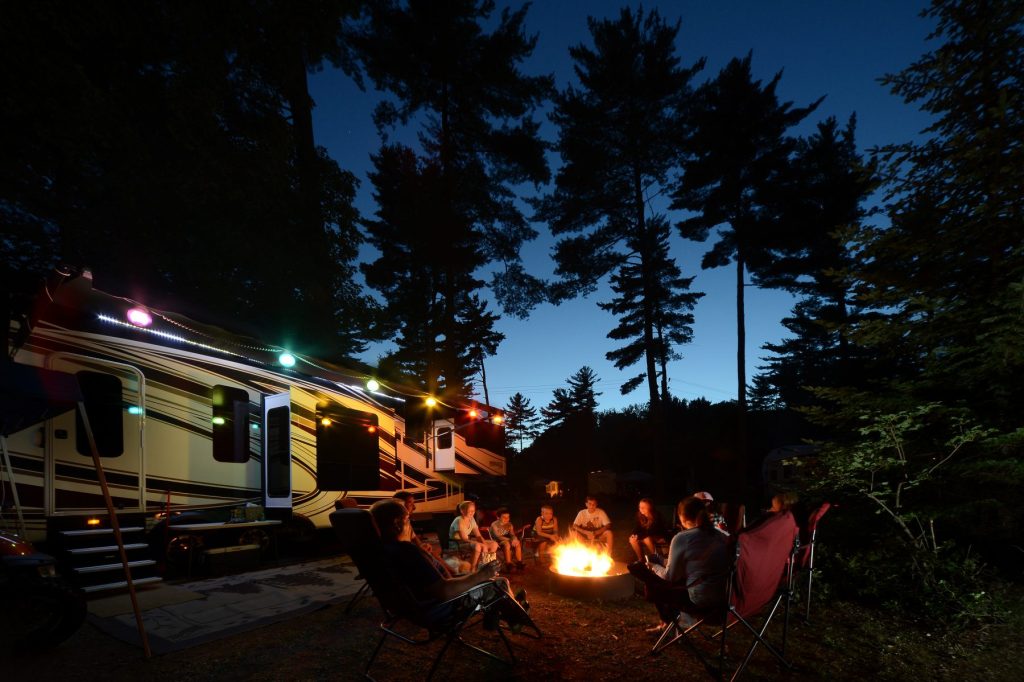
The freedom of the open road continues to pull on the heartstrings of people across the country. From weekend camping to full-time RVing, it's not just a movement—it's a desired lifestyle.
As more people become owners of beloved recreation vehicles, a concerning trend has emerged: a shocking 85% of RV owners are under-insured or uninsured. Only about 15% of owners actually have a proper RV policy.
While this isn't the most thrilling topic, the staggering statistic begs the question: Do you need RV insurance, and if you already have insurance, do you have the right insurance for your RV lifestyle?
The numbers are clear—we need to shed light on why understanding your RV coverage is an important and necessary step in protecting yourself from the unexpected and ensuring peace of mind as you make memories in your home on wheels.
## What Type of RVer Are You?
It's not uncommon for RVers to add their RV to their current automotive policy. While this provides coverage to an extent, depending on how you spend your time in your RV, it may not be enough.
RV insurance is not one-size-fits-all. Insurance companies sort RVers into different categories, most based on presumed liability needs. A knowledgeable insurance agent will recommend coverage depending on the type of RVer you are.
### Different Types of RV Lifestyles
**Full-Time RVers**: A full-timer is an RVer who spends more than 150 nights each year or lives in their RV year-round, using it as their primary residence. This category often requires specialized coverage for personal belongings and liability.
**Part-Time RVers**: Those who use their RVs for occasional travel or seasonal vacations. Coverage for this category usually focuses on the RV itself and liability while traveling.
**Weekend Warriors**: RVers who use their vehicles primarily for short trips or weekend getaways. Insurance for this group may emphasize recreational use and occasional travel.
Whether a full-timer or a weekend warrior, your RV represents a significant financial and emotional investment. It serves as a mobile sanctuary, housing not only your possessions but also you and your loved ones during your travels. Your RV functions more as a home on wheels.
Given the unique nature of RV ownership, you'll want a more comprehensive approach to insurance that reflects the vehicle's dual role as transportation and lodging.
## Protecting Your Home on Wheels
The right insurance can provide peace of mind on the open road, safeguarding personal belongings, covering specialized RV features, and even protecting against unexpected scenarios like pest damage.
### Personal Belongings Protection
Consider the value of the personal items that travel with you in your RV. Would you want coverage for essentials like clothing, electronics, and outdoor gear?
Think about the cost of replacing items such as high-end smartphones and laptops, specialized camping equipment, recreational items like bicycles and fishing gear, personal accessories like jewelry and watches, and kitchen appliances specific to RV living.
## Customized RV Coverage Options
RVs often have unique features that standard auto insurance doesn't cover.
How important is it to have protection explicitly tailored for retractable awnings, satellite dishes, built-in appliances, solar panel systems, leveling jacks, and slide-out mechanisms?
### Comprehensive Roof Protection
RV roof warranties are often limited in scope and duration. Would you feel more secure with extended coverage that goes beyond manufacturer defects? Consider protection for weather-related damage, accidental damage during travel, consequential damage to interior components due to roof leaks, and long-term wear and tear.
### Pest Damage Coverage
Unwanted critters can cause significant damage to an RV. Picture this: you and your family are a few days into your cross-country RV adventure, only to discover that unwelcome hitchhikers have joined your journey.
After investigation, you find tiny droppings scattered across the countertop and a bag of trail mix with a small, gnawed hole. A few more days passed, and evidence of the mouse infestation grew: chewed wires, shredded upholstery, and the pungent odor of rodent urine.
Should your policy include protection against rodent infestations, termite damage, bird nests, and insect infestations that may require professional extermination?
### Vacation Liability Protection
Your campsite is an extension of your living space. Would you feel more at ease knowing you're covered for accidents involving visitors to your campsite, injuries caused by your RV equipment, property damage to neighboring campsites, and legal fees associated with liability claims?
## RV Insurance Costs – Factors and Considerations
According to Adventure Club Insurance, their customers pay an average annual premium of $660 for RV insurance, which translates to approximately $55 per month.
However, individual premiums can fluctuate significantly based on various factors including RV classification, geographical location, selected coverage options, and other pertinent variables.
When it comes to insurance, there's often a trade-off between cost and comprehensive coverage. Consider your priorities: Is minimizing your monthly premium the most critical factor? Would you be willing to pay a higher premium for more extensive coverage?
Remember to evaluate these options with an experienced agent specializing in RV coverage to find the best balance for your needs.
Ultimately, investing in the right RV insurance isn't just about protecting your vehicle—it's about safeguarding your lifestyle, memories, and the freedom to explore with confidence.